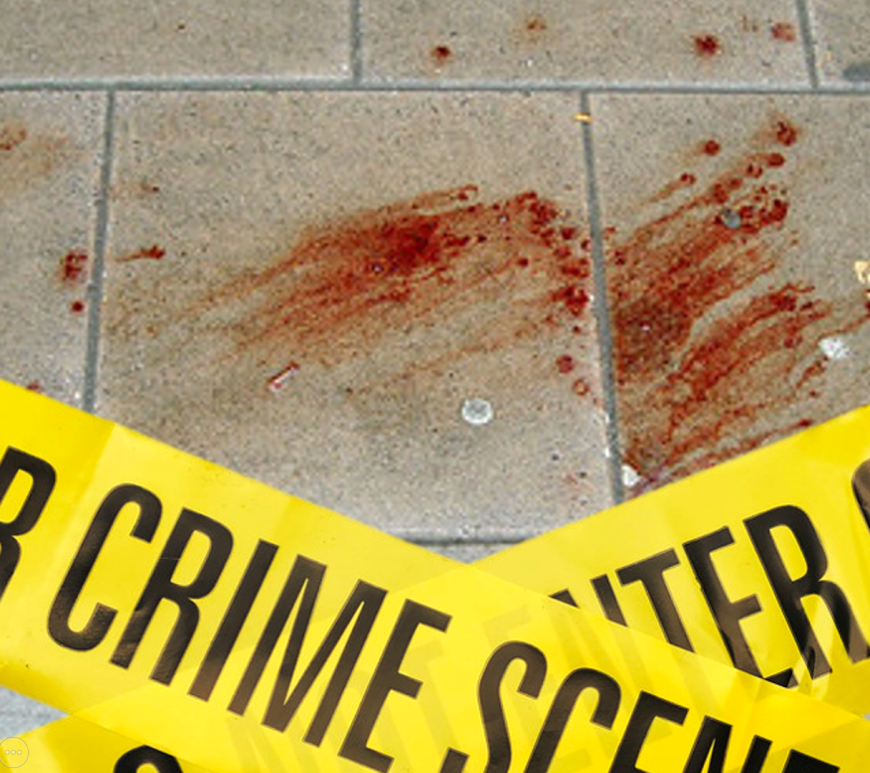
Bloody Clocks Do Tell Time
Researchers from Eulji University in South Korea explore a way of ascertaining when a crime occurred by developing a method that can determine the age of a bloodstain. Continue reading Bloody Clocks Do Tell Time
Researchers from Eulji University in South Korea explore a way of ascertaining when a crime occurred by developing a method that can determine the age of a bloodstain. Continue reading Bloody Clocks Do Tell Time
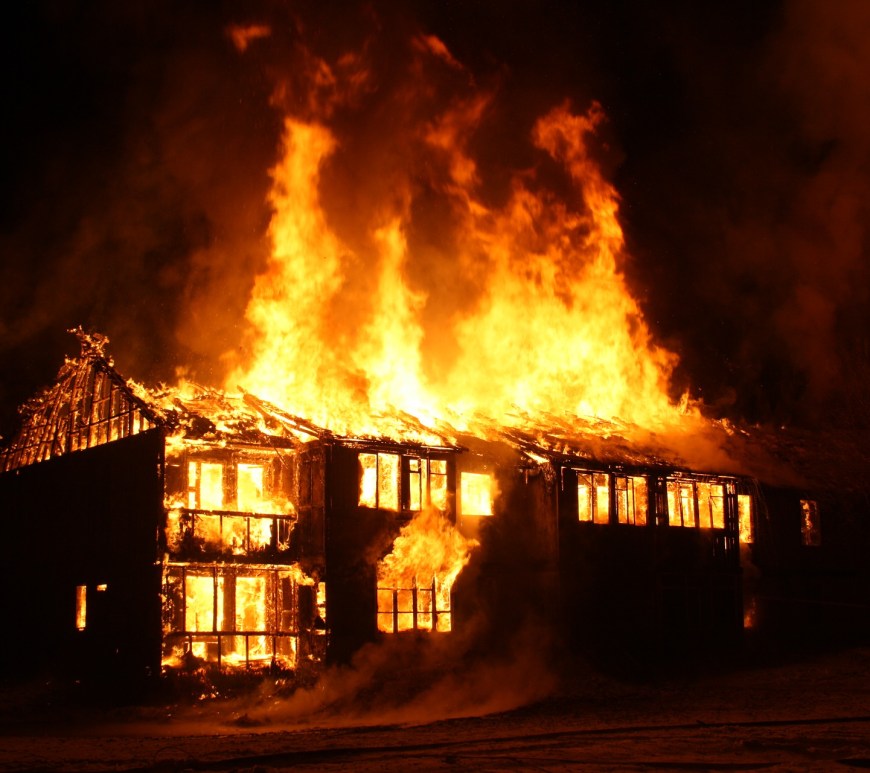
Researchers as Oklahoma State University and the ATF show that setting a meth lab aflame does not cover the perpetrator’s tracks; both accelerant and drug evidence can be recovered and identified. Continue reading Arson can’t keep us down: identifying meth amidst a fire scene
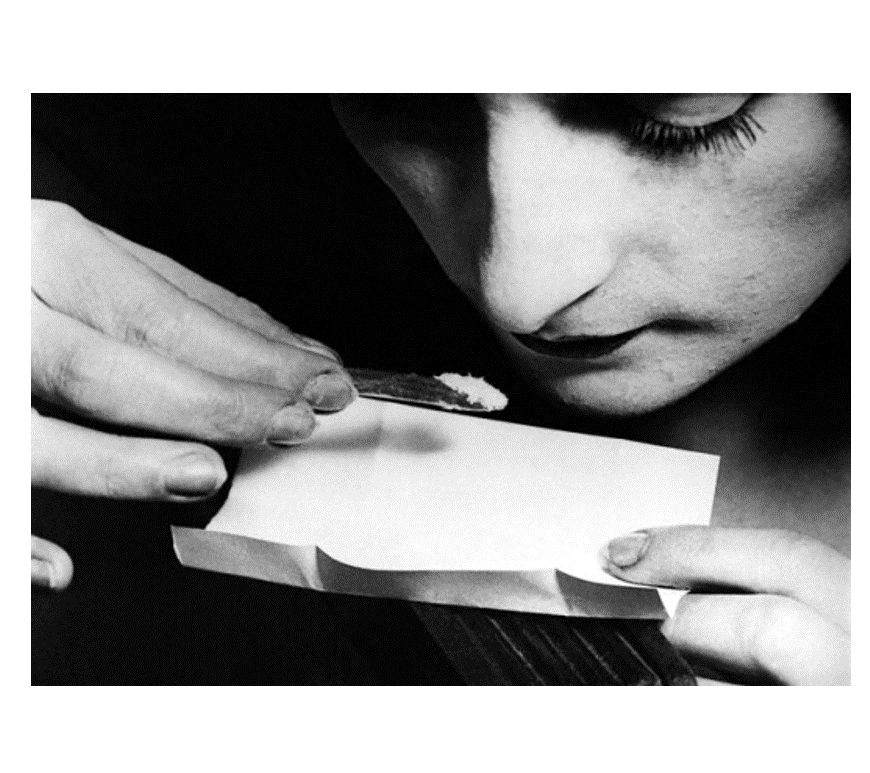
Researchers explore the possibility of using ultraviolet light to detect cocaine in saliva, without pre-treating the sample. Continue reading The Case for the Detection of Cocaine in Saliva
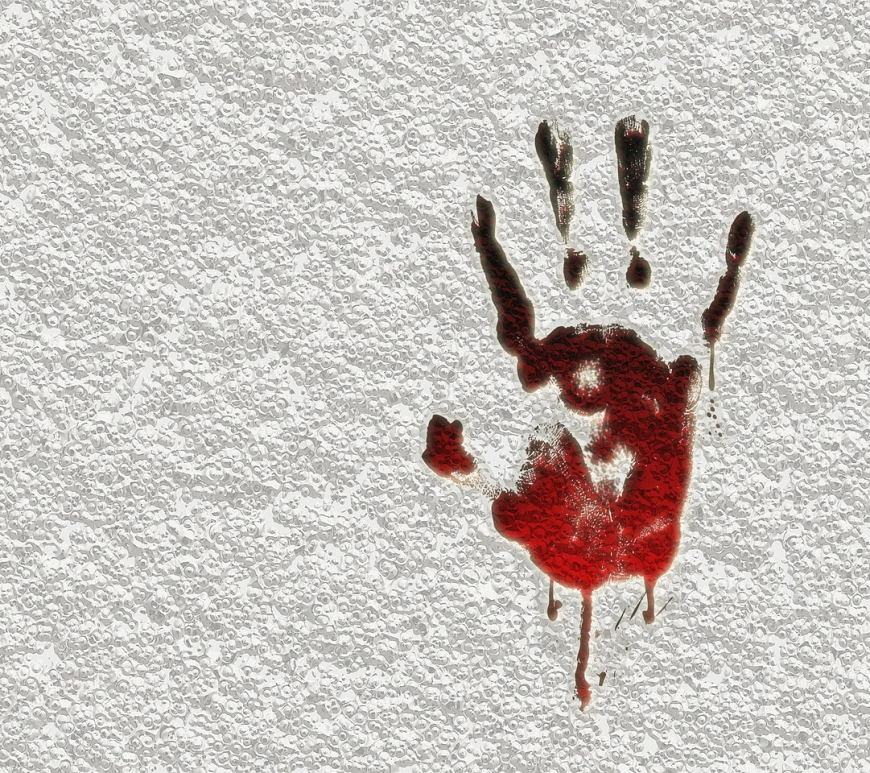
Researchers at the University at Albany have determined how to track changes in blood stains to determine their age using Raman spectroscopy. Continue reading How can blood tell us when a crime happened?
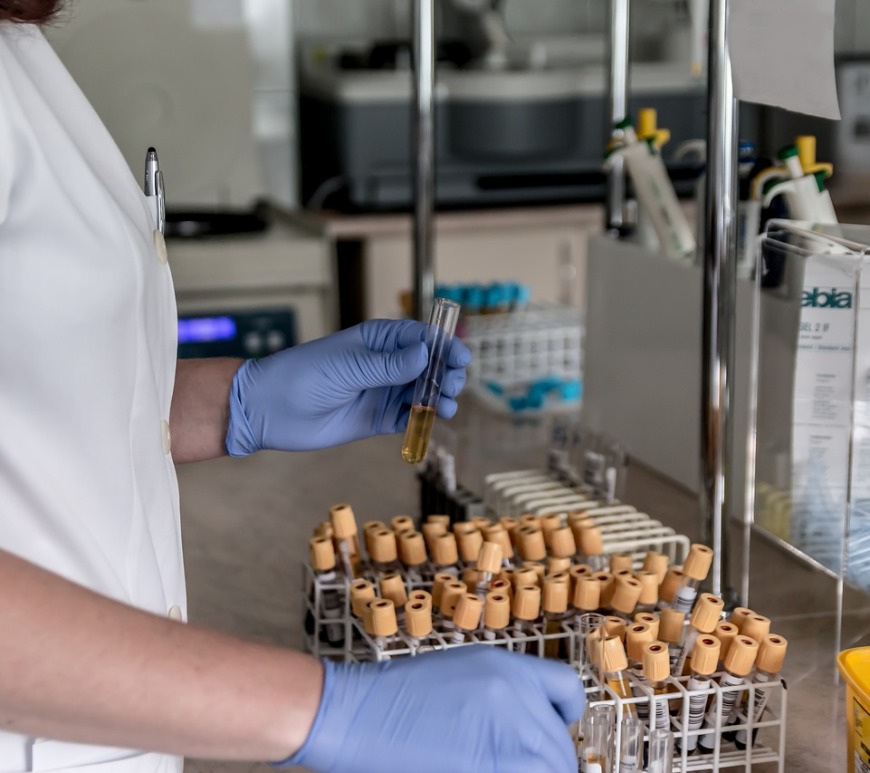
Researchers at Oregon State University examine a more efficient method for the detection of THC in body fluids. Continue reading An alternative method for detecting THC in body fluids
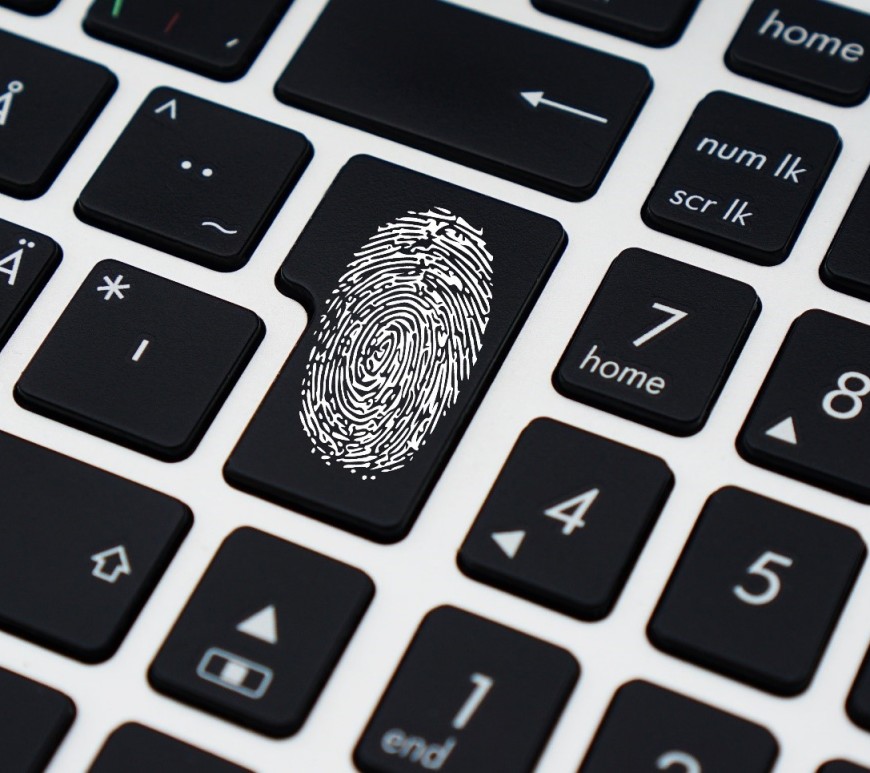
Researchers show how mass spec imaging reveals information on drugs and explosives that a suspect touched, all from their fingerprint! Continue reading Detecting drugs and explosives in fingerprints


 ForensicBites