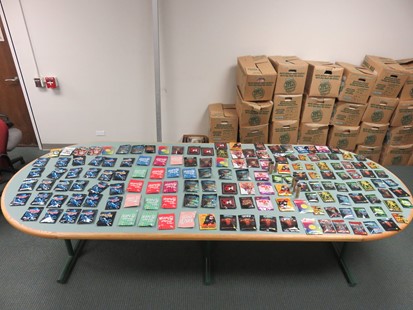
A New Method for Identifying Novel Psychoactive Substances
Researchers from Florida International University develop a method that can help analyze new drugs. Continue reading A New Method for Identifying Novel Psychoactive Substances
Researchers from Florida International University develop a method that can help analyze new drugs. Continue reading A New Method for Identifying Novel Psychoactive Substances

Meet Jalissa, William, Niara and Catherine – exceptional academics, writers and budding forensic scientists. Continue reading Meet our seniors authors for National Forensic Science Week!
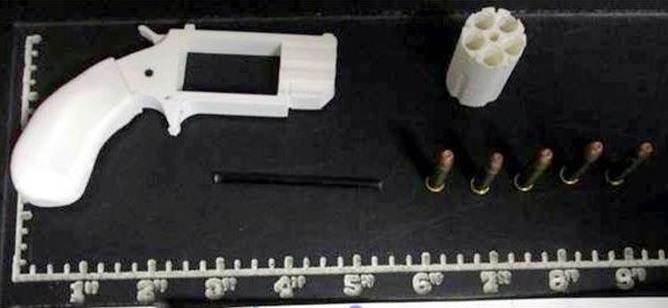
Technology in 3D-printing has advanced to allow for the printing of firearms and firearm parts. A group at the University of Mississippi are investigating the potential evidence the plastics from these guns may leave behind and how they can be identified. Continue reading Can forensic science keep up with homemade weapons?
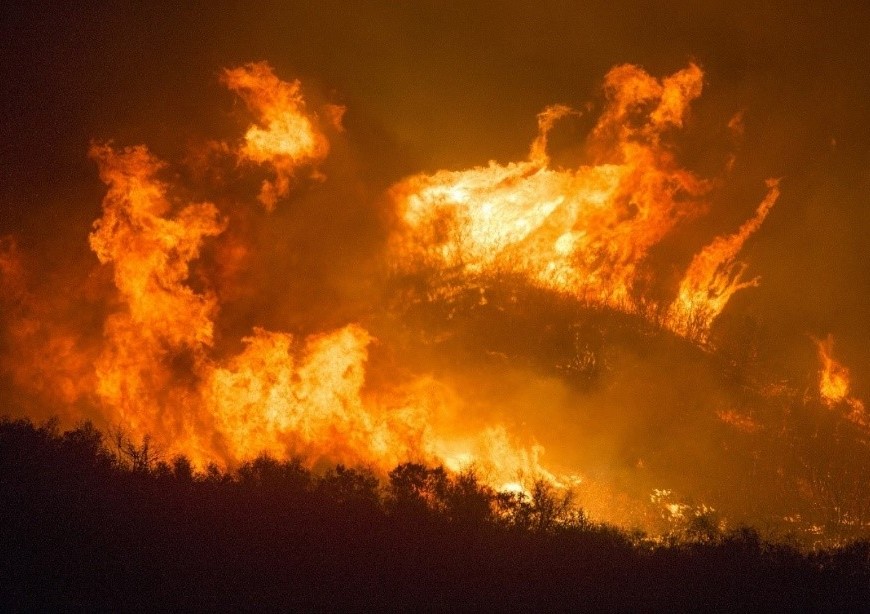
In the aftermath of the 2018 Camp Fire, the Sacramento County Coroner’s Office implemented a new system to identify the victims of the wildfire: Rapid DNA technology. Continue reading Quickly Now! Using Rapid DNA Testing to Identify Wildfire Victims
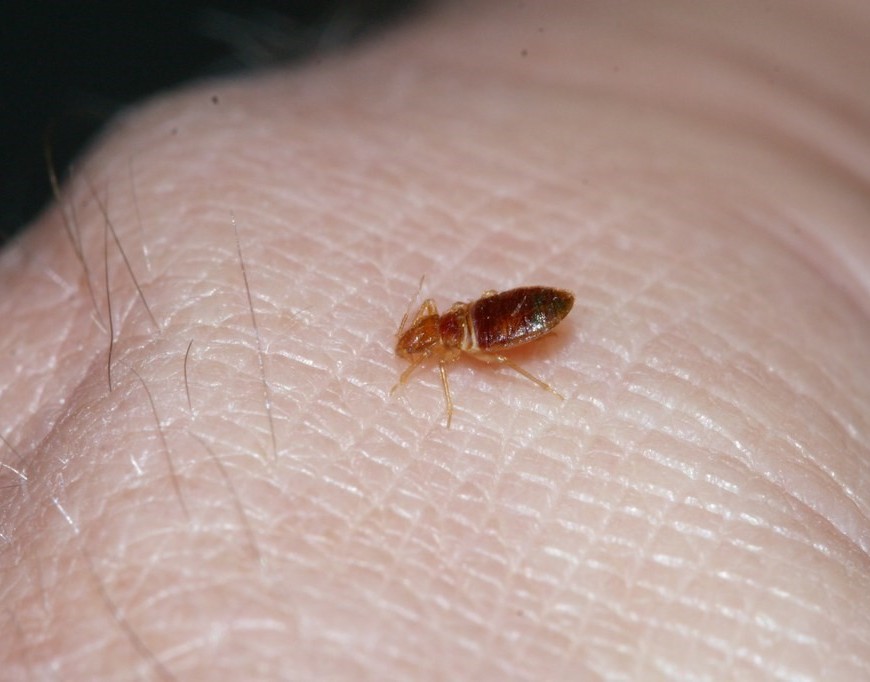
Bed bugs invade homes to engorge themselves on our blood. Can forensic scientists crack open these pesky critters and trace back to who they recently feasted upon? Continue reading Fact or Fiction: Extracting human DNA evidence from bed bugs

Biotechnologists take a step forward in forensic DNA phenotyping with the prediction of freckles. Continue reading Freckle On: Predicting Freckles from DNA
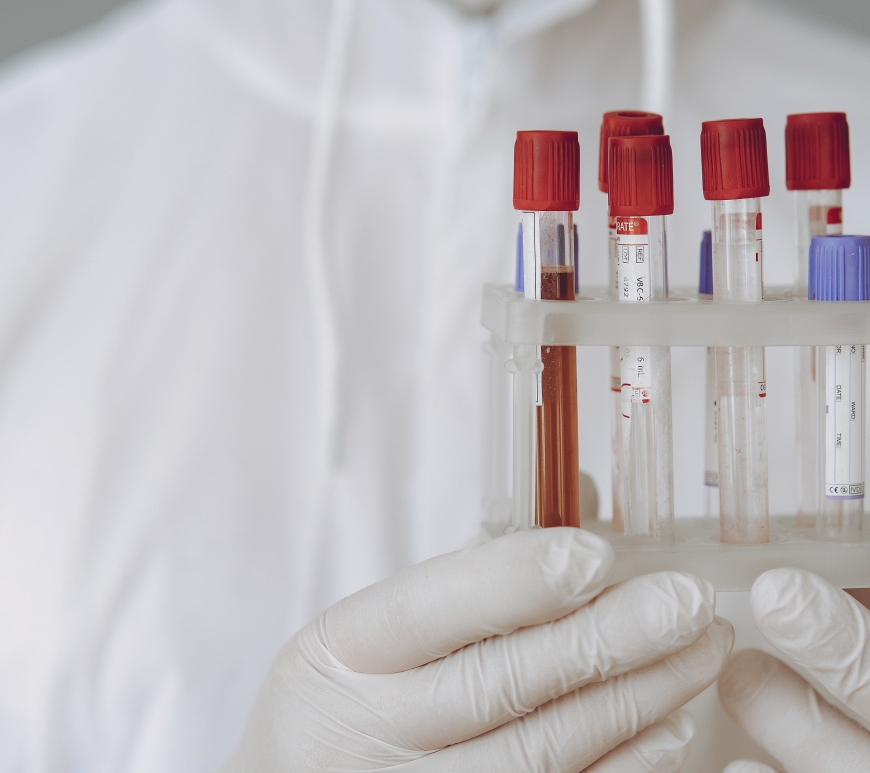
Knowing whether a stain is semen or saliva helps investigators recreate crime scenes and solidify links between suspects and criminal acts. But degraded samples are difficult to analyze – could microRNAs be the solution? Continue reading The smallest RNAs identify the most important body fluids in forensics
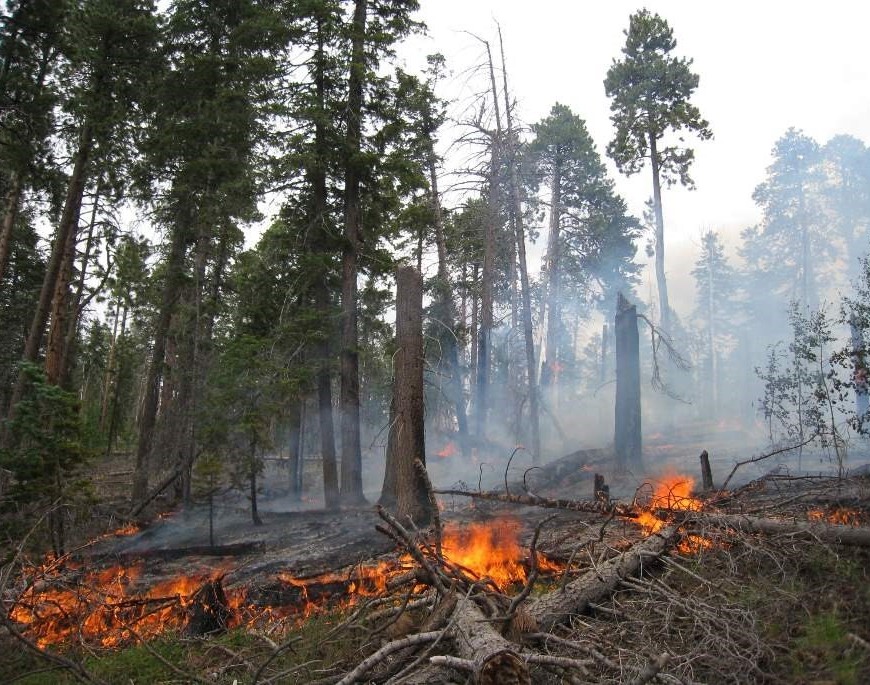
Scientists from the National Center for Forensic Science and Indiana University document soil degradation of ignitable liquids, potentially allowing analysts to overcome this issue with real evidence. Continue reading How does dirt affect ignitable liquids?

Fibers are a common type of forensic trace evidence and can be used to link a suspect, scene and victim. But the general presence and composition of fibers prevents the specificity that detectives and crime scenes techs crave. Could a new statistical analysis called Lasso increase the evidentiary value of fibers? Continue reading Tying it all together: Lasso statistical analysis brings new power to fiber evidence
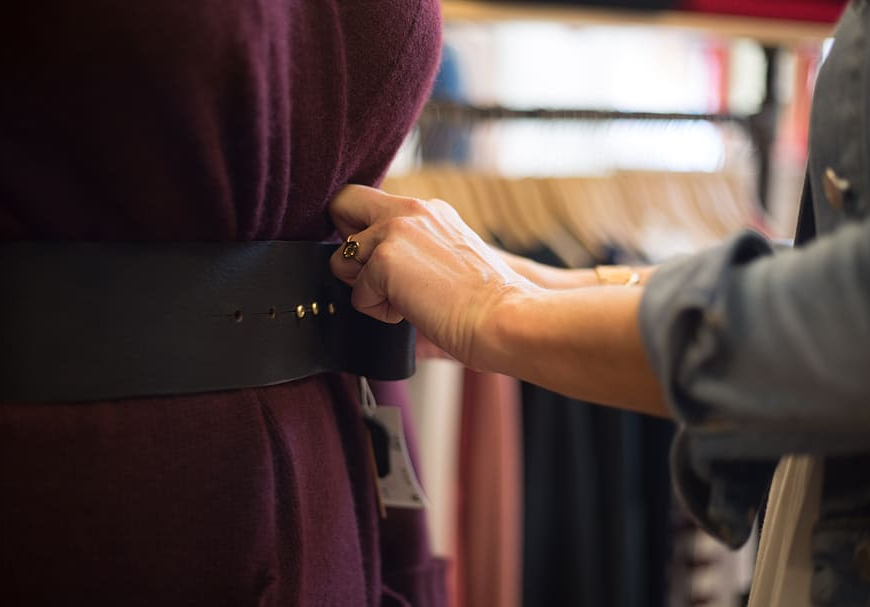
PhD student Francesco Sessa and his colleagues at the University of Foggia, Italy have determined that adhesive tape is the best method for retrieving touch DNA left on clothing- even after only 2 seconds of contact. Continue reading What is the best method for collecting touch DNA on clothing?


 ForensicBites