Building a “Face” from DNA
Can geneticists reconstruct the physical characteristics of an individual’s face from their DNA? Continue reading Building a “Face” from DNA
Can geneticists reconstruct the physical characteristics of an individual’s face from their DNA? Continue reading Building a “Face” from DNA
Researchers from the University of Ottawa develop a method that uses organic thin film transistors for the on-spot detection of THC and CBD. Continue reading Transitioning from color tests to electric currents for identifying cannabinoids
Traditionally, capillary electrophoresis is used to observe and detect STRs for the analysis of DNA profiles. Biotechnologists research massively parallel sequencing of STRs to increase throughput generating sequences for DNA profiles faster and more efficiently. Continue reading Back to the Future: Advances in DNA Analysis Using Massively Parallel Sequencing
A team in Spain developed a rapid and accurate way to detect chemical warfare agents- in the air. Continue reading Can Raman spectroscopy protect us from nerve gas?

Equipped with the knowledge of creating powerful explosives, criminals can now produce more devices. A group of researchers set out to establish a quick way to identify the manufacturers of these explosives. Continue reading Fireworks provide insights to dangerous homemade explosives
Crime scenes can be messy and disorganized places, taking days to collect evidence and weeks to analyze in the laboratory. Analysts and researchers alike are working towards improving all parts of the crime solving process to speed up cases and provide better analysis methods. Continue reading Using machine learning to find patterns in blood
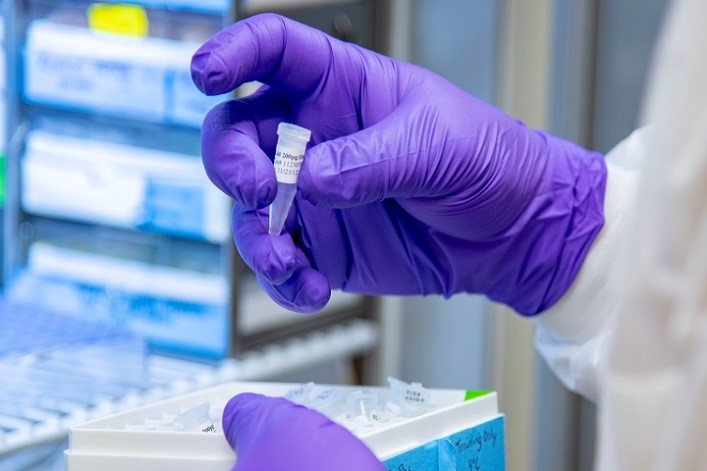
DNA is used to obtain information about an individual’s identity from all types of materials to aid in investigations from missing persons to homicides. But what goes into how we get the DNA from sources found at a crime scene into generating a DNA profile? Continue reading Behind the Scenes: DNA Processing
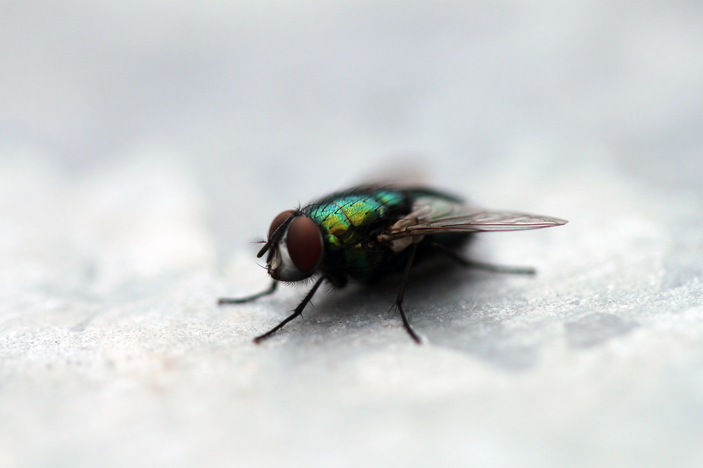
Researchers from the University at Albany construct a model that can be used to identify different species of blowflies. Continue reading Identifying forensic science’s “first responder”, the blowfly

With the advancement of the internet and spreading of information, it has become easier for people to create dangerous devices. Crime laboratories are looking for a quick and surefire way to identify explosive devices before and after detonation. Continue reading New technique explodes into the forensic scene
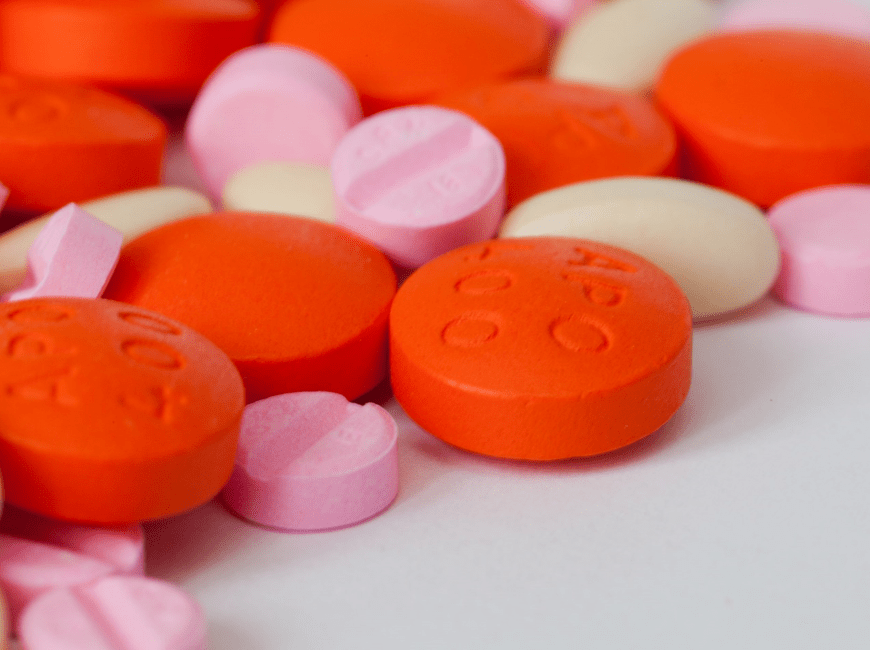
Pharmaceutical companies are rolling out “tamper-resistant” medicines- but how do their claims stack up to reality? Continue reading Breaking the Bad: can medical companies prevent criminals from making drugs?


 ForensicBites